
Minimalism isn’t just about having fewer things—it’s about living intentionally, focusing on what truly matters, and reducing stress in your life. When I first started this journey, I thought it would be overwhelming. But by taking small, practical steps, I gradually felt lighter, happier, and more in control of my life. Here’s how you can start your own minimalist lifestyle journey.
1. Start With Decluttering: Clear Your Space, Clear Your Mind

Decluttering is the foundation of minimalism. I remember opening my wardrobe and being shocked at how many clothes I never wore. It was emotionally satisfying and freeing to let go of things I didn’t need.
Step-by-step decluttering process:
- Take one category at a time—clothes, books, kitchen items.
- Ask yourself:
- Do I use this regularly?
- Does it spark joy?
- Would I buy it again today?
- Donate, sell, or recycle items you don’t need.
Personal Experience: I started with my desk drawer and ended up feeling motivated to declutter my entire house over a few weeks. The mental clarity I gained was incredible.
2. Simplify Your Wardrobe: Create a Capsule Collection
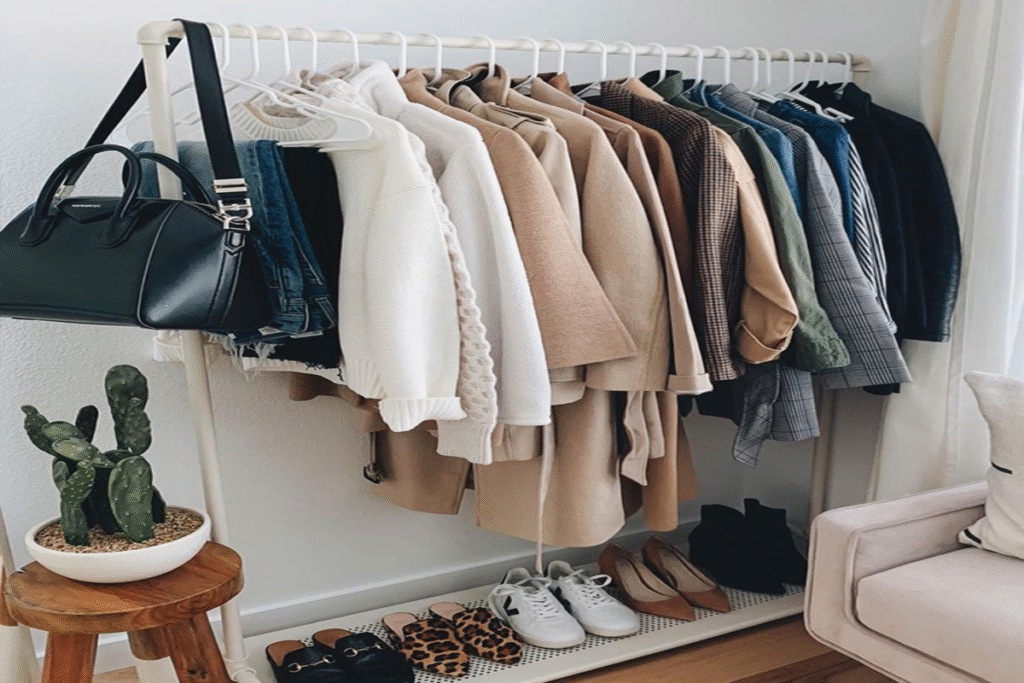
A minimalist wardrobe reduces decision fatigue and makes mornings easier. I created a capsule wardrobe with versatile, mix-and-match pieces.
Benefits I experienced:
- Less time choosing outfits.
- More confidence in what I wore.
- Fewer clothes cluttering my space.
Example Table of Capsule Wardrobe:
| Item Type | Quantity | Where to Buy | Approx Price |
|---|---|---|---|
| White T-shirt | 3 | H&M / Amazon | ₹500 each |
| Jeans | 2 | Zara / Myntra | ₹1200 each |
| Neutral Blazer | 1 | Marks & Spencer | ₹3500 |
| Comfortable Shoes | 2 | Nike / Puma | ₹2500 each |
| Sweaters | 2 | Uniqlo / Amazon | ₹1500 each |
Tip: Stick to neutral colors—they mix easily, creating multiple outfits with fewer pieces.
3. Digital Minimalism: Reduce Online Clutter
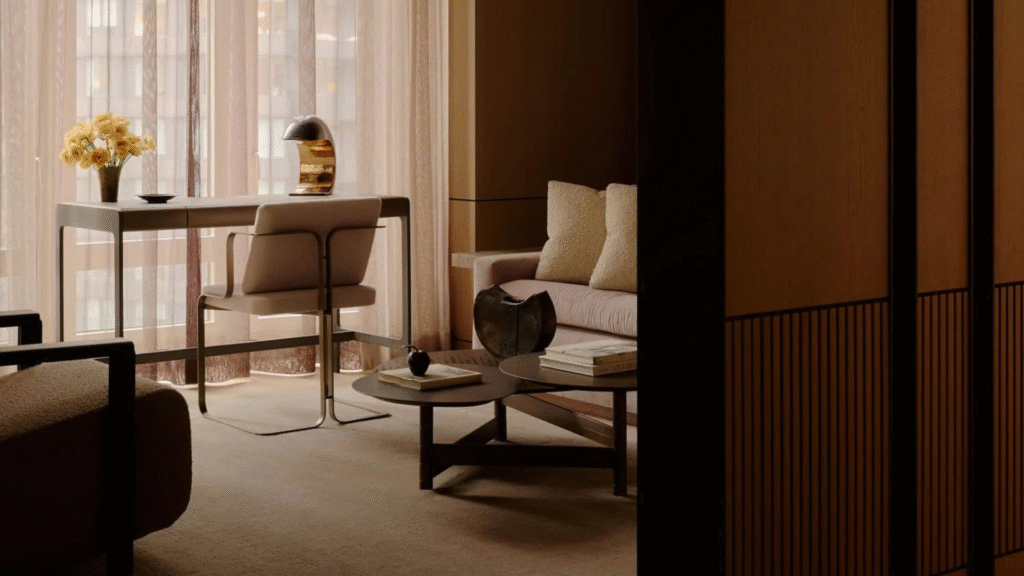
Our phones, apps, and emails often add invisible clutter to our lives. I started limiting notifications, unsubscribing from unnecessary newsletters, and deleting apps I didn’t use.
Steps I took:
- Keep only essential apps on home screen.
- Organize files and photos regularly.
- Use a single calendar app instead of multiple.
- Set specific times to check emails and social media.
The result? I felt more focused and less anxious.
4. Mindful Shopping: Buy Only What You Truly Need

Minimalism is as much about buying less as it is about letting go. I started asking myself before every purchase:
- Do I really need this?
- Will this add value to my life?
- Can I borrow or rent it instead?
Example: I stopped buying kitchen gadgets I rarely used. Instead, I invested in a high-quality knife set that I use daily.
5. Embrace Quality Over Quantity
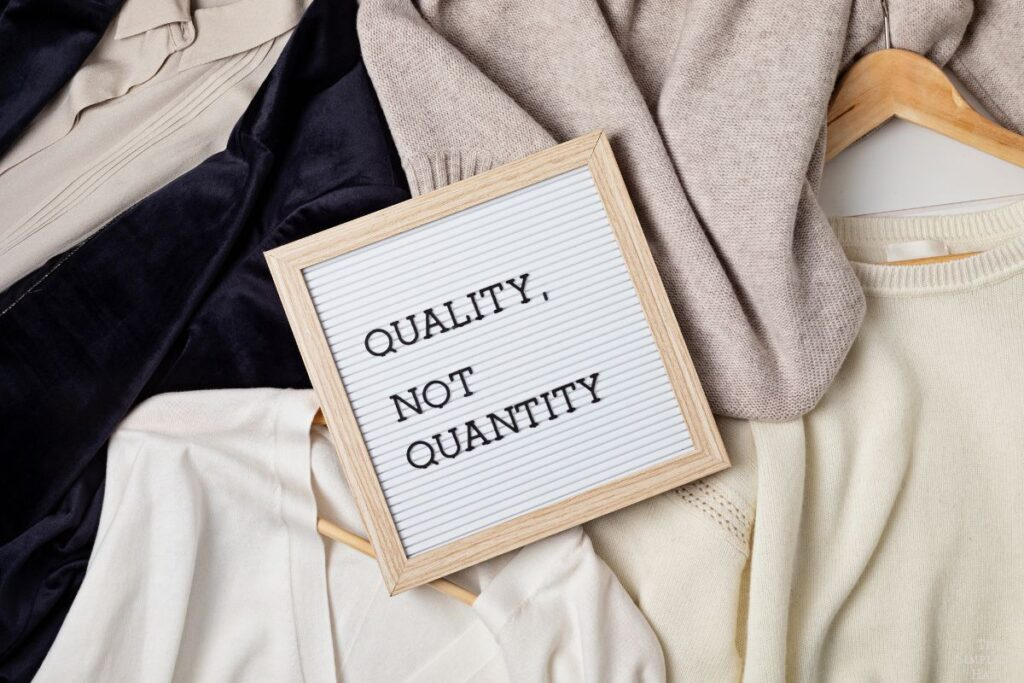
I realized that buying fewer but better-quality items reduces waste and saves money in the long run. For instance, one pair of high-quality shoes can last years, compared to multiple cheap pairs that wear out quickly.
Tips:
- Check material, durability, and reviews before buying.
- Invest in essentials like shoes, jackets, and bags.
- Avoid fast fashion and trendy items that don’t last.
6. Simplify Your Routine
Minimalism also applies to your daily habits. I reduced unnecessary commitments, simplified my morning routine, and focused on what really mattered.
Example Routine:
- Wake up and stretch for 10 minutes.
- Drink water and have a healthy breakfast.
- Review the day’s tasks (top 3 priorities only).
- Limit social media to 30 minutes.
This small simplification improved my energy, focus, and happiness.
7. Create a Minimalist Mindset
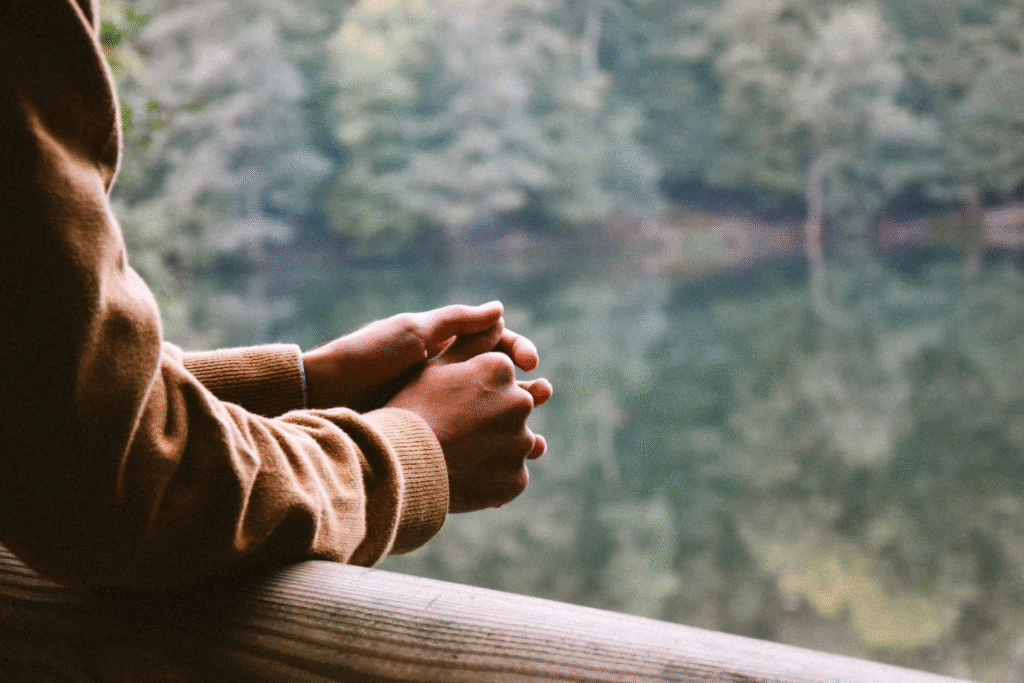
Minimalism is more about mindset than possessions. It’s about appreciating what you have, valuing experiences over things, and being intentional in every decision.
Personal Insight: Journaling daily helped me reflect on what truly matters. I started saying “no” to commitments and purchases that didn’t align with my goals. Over time, I felt lighter, more peaceful, and happier.
8. Minimalism in Finances: Less Stress, More Savings
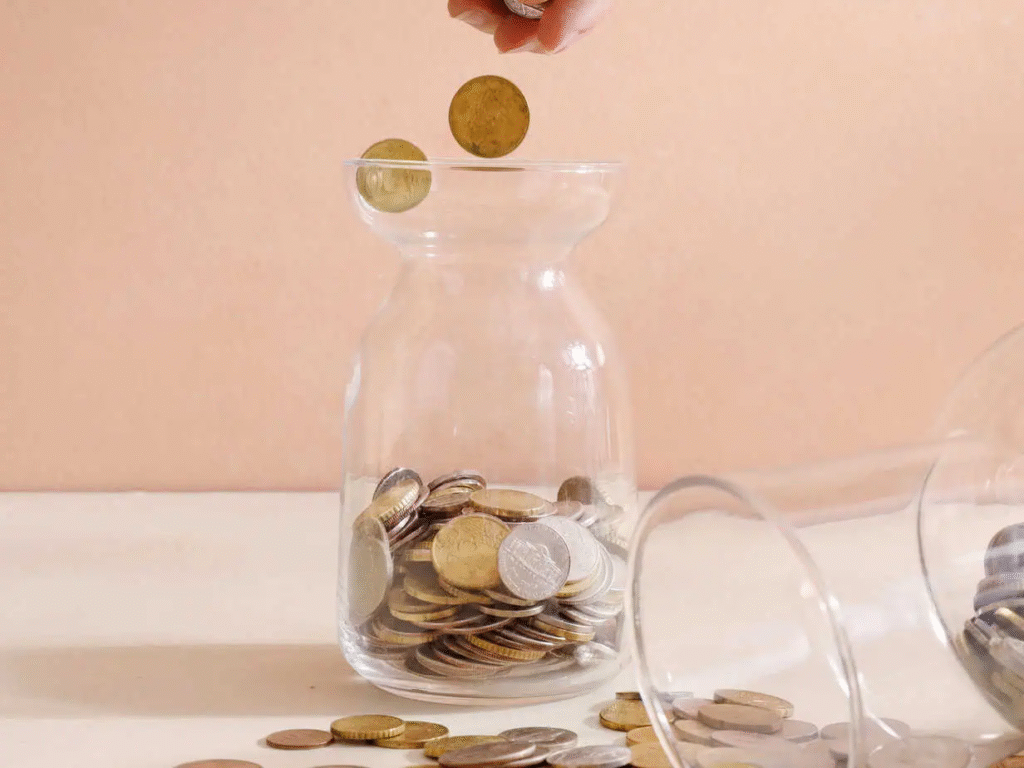
A minimalist lifestyle also improves financial health. I noticed:
- Less impulse buying = more savings.
- Focusing on quality = fewer replacements.
- Budgeting for experiences, not things, increased my happiness.
Example Table: Minimalist Budget Plan
| Expense Type | Monthly Budget | Notes |
|---|---|---|
| Groceries | ₹8,000 | Buy essentials, avoid wastage |
| Subscriptions | ₹1,000 | Only necessary apps |
| Experiences | ₹5,000 | Travel, hobbies, learning |
| Savings | ₹10,000 | Emergency and future goals |
9. Minimalist Home Décor: Less is More
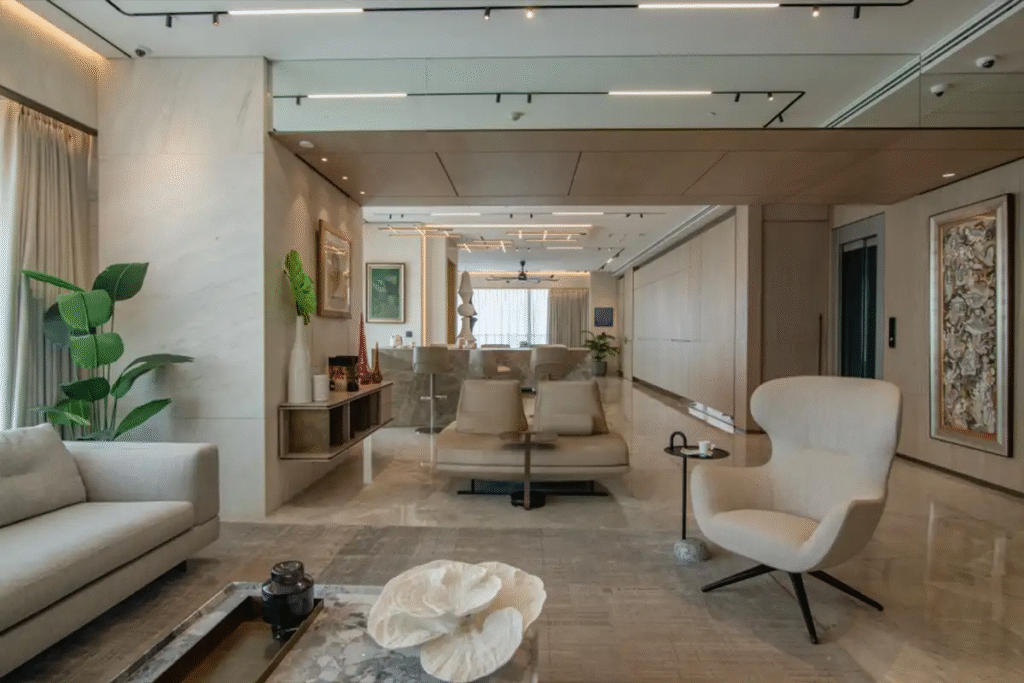
I decorated my home with simplicity in mind. Neutral colors, functional furniture, and open spaces created a calming environment.
Tips:
- Avoid too many decorative items.
- Choose functional, multi-purpose furniture.
- Keep surfaces clean and clutter-free.
The atmosphere of my home improved instantly—I felt calm and motivated in a space that was visually peaceful.
10. Start Small and Be Patient

Minimalism is a journey, not a destination. I didn’t declutter everything in a day. I started small, like one drawer, one wardrobe section, or one digital folder at a time. Gradually, I built habits that lasted.
Remember: Minimalism is personal. Don’t compare your journey to others—it’s about creating a life that works for YOU.
Quick Tips for Beginners
- Start small: Declutter one area at a time.
- Reduce impulse buying.
- Focus on experiences, not possessions.
- Digitally declutter your devices.
- Learn to say “no” to things that don’t serve you.
- Invest in quality essentials.
- Keep routines simple and intentional.
Minimalism is personal. What works for me may not work for everyone. The key is finding balance, peace, and joy in your lifestyle.
#MinimalistLifestyle #DeclutterYourLife #SimpleLiving #MindfulLiving #CapsuleWardrobe #MinimalismForBeginners #MinimalistHome #IntentionalLiving #MinimalistMindset #LessIsMore #Carrerbook #anslation